
Pyroflex silicone-coated fiberglass firesleeve is a thick-walled woven glass-fiber sleeve coated with flame-retardant silicone rubber. Around a hydraulic hose near a hot surface, it adds a covering at the exposed part of the route. Begin with the position of the heat source and the path of the hose: these determine where the protection task occurs.
Pyroflex firesleeve has a stated continuous high-temperature resistance of 260°C. It addresses continuous heat, radiation and splashing around cables and hydraulic, gas and lubricant supply lines. For hose-route planning, the useful question is where each exposure reaches the line. A local radiant source, hot surroundings and possible splash can affect different segments, so one ambient-temperature reading may not describe the whole task.
Covering the exposed line
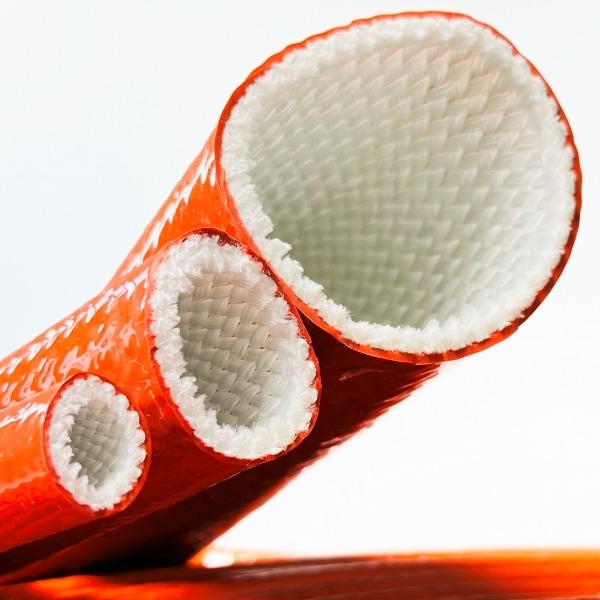
The sleeve combines a woven glass-fiber body with a coated outer surface. This construction gives the engineer a specific external covering to evaluate around the line facing heat. It is particularly relevant where a hydraulic supply line passes through an exposed part of a route while the remainder is shielded by the layout.
Treat the hose assembly and its protective covering as related parts of the design. The buyer supplies the hose, fittings, route and service conditions; the sleeve supplies the stated textile construction. That separation keeps the hose’s own fluid, pressure and temperature requirements attached to the hose rather than inferred from the covering.
Trace the heat paths along the route
Start with an annotated route sketch or photographs showing the hose and the hot surfaces around it. Mark the direction from which heat or splash could reach the hose and identify the length that remains exposed through normal movement.
| Route observation | What to record | How it changes the protection discussion |
|---|---|---|
| Hose faces a hot surface | Relative position, visible hot surface and separation | Identifies the segment needing radiant-exposure review |
| Hose passes through hot surroundings | Exposure location and operating duration | Defines the sustained part of the duty |
| A splash could reach the line | Origin, direction and affected segment | Locates the outer covering to evaluate |
| Hose moves during operation | Route in its relevant positions | Shows whether the exposed segment changes |
This map turns a broad request for “heat protection” into a placement decision. Two hoses in the same equipment area can face different exposure because their routes and surrounding surfaces differ. A useful sleeve review follows the individual line.
Distinguish radiation from contact
Radiant exposure can reach a hose without the hose touching the hot surface. For an engineer reviewing this route, line-of-sight and source position therefore matter alongside the surrounding air conditions. Record them before reducing the requirement to a temperature number.
Direct contact is a different route condition. If the hose or its covering rests against a hot or abrasive feature, the contact location needs its own design review. Keeping the covering clear of that feature and assessing the remaining radiant exposure are separate tasks; adding a firesleeve does not establish an allowable contact condition.
Where the layout can change, compare a route with less exposure against one that retains the same route and adds protection. That is a project design comparison, without an assumed temperature reduction or promised service-life gain.
Choose the protected segment
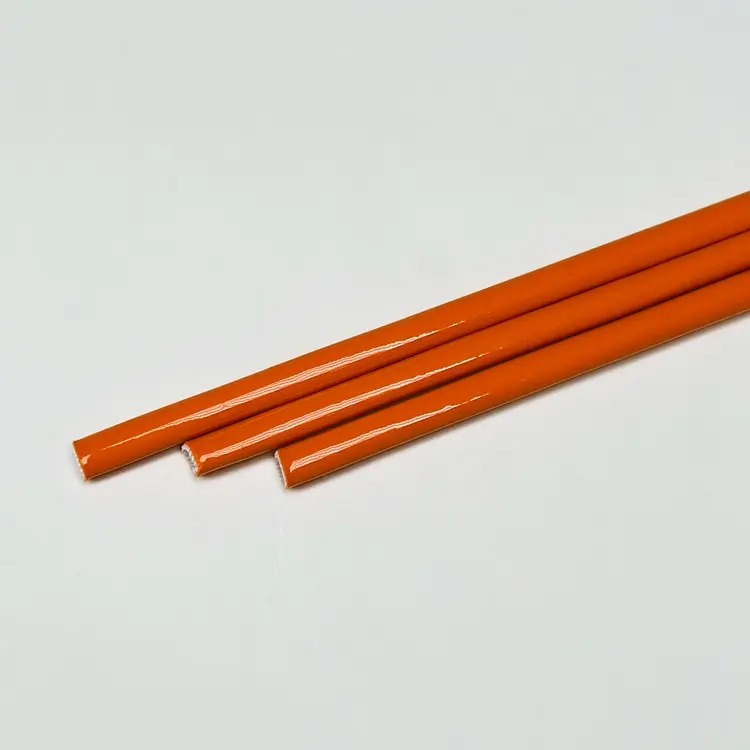
Pyroflex firesleeve is installed on cables and hoses and can expand over fittings or joints. This makes it a covering to consider on a hose assembly, but the thermal placement decision should come first: identify the exposed length and its relationship to bends, supports and connections.
The marked segment should remain meaningful across the hose’s expected positions. A covering selected only for a stationary photograph may leave the moving route poorly represented in the evaluation. Include the positions that change the hose’s view of the hot source and note where protection would begin and end.
If the desired arrangement needs unusual access, contact conditions or exposure beyond the proposed configuration, discuss a customised solution with Bonsing. Provide the annotated layout and the condition that changes the standard protection task.
Check the assembled route
Evaluate the proposed covering on the actual route or a representative assembly under an agreed exposure arrangement. Check the protected line against its own acceptance limits, and examine whether the sleeve stays in the intended position through the relevant movement.
Keep geometry and exposure together in the evaluation record. The useful result is an assembly decision for the defined route, rather than a claim that the sleeve makes every hydraulic hose suitable near every heat source.
FAQ
Does radiant heat mean the same thing as ambient air temperature?
No. A nearby hot surface can radiate toward the line. Record the source position and exposed segment as well as surrounding conditions.
Does firesleeve replace hose-route clearance?
No. Review clearance and direct contact separately. The covering is evaluated for the exposure on the chosen route.
Which drawing is useful for a hose protection discussion?
An annotated route showing hot surfaces, hose positions, affected segment, bends, supports and possible splash directions is useful.
Discuss a Hose Protection Layout
Share the marked hydraulic hose route, heat-source positions, movement, exposure duration and protected component limits. Review the Pyroflex sleeve construction and discuss the protection layout with Bonsing so the next configuration review addresses the actual heat path.
Post time: Oct-13-2026