
Pyroflex silicone-coated fiberglass firesleeve is a thick-walled woven glass-fiber sleeve coated with flame-retardant silicone rubber. It surrounds a hose or cable as the thermal covering. Once that outer layer is added, a service team benefits from a deliberate way to identify the line at its visible endpoints and relate it to the assembly record.
Pyroflex firesleeve has a stated continuous high-temperature resistance of 260°C. Identification planning should include the actual exposure and the points a technician can see during service. The practical objective is to trace the covered line from a known connection to its corresponding endpoint.
Recognize the covered line
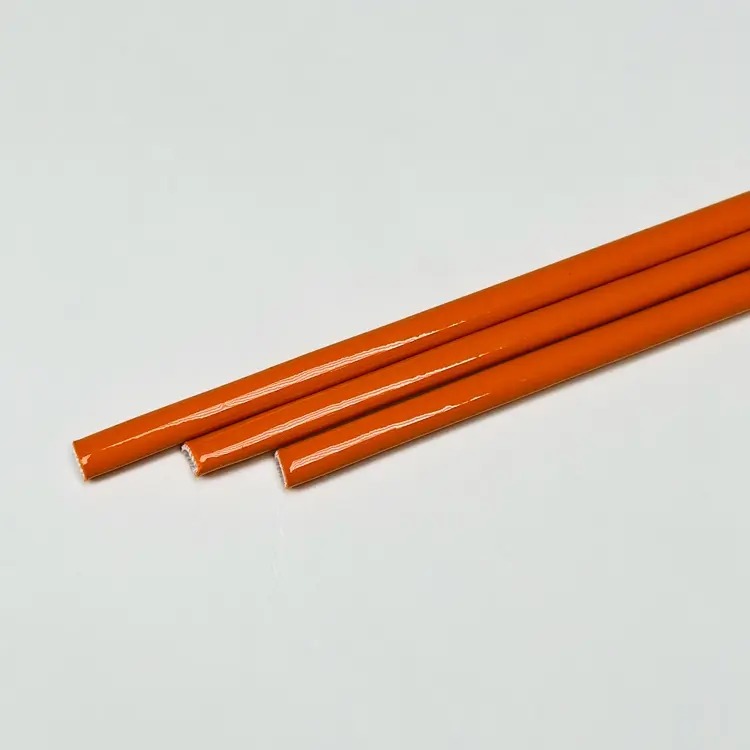
A surrounding textile wall can hide markings printed on the original hose or cable. In a compartment containing similar lines, color and apparent diameter alone can leave the circuit identity ambiguous. Establish the identity references when the covering is specified.
Begin with the component drawing or circuit schedule. Give each line a reference that relates its two endpoints and the covered segment. Record the hose or cable assembly identification separately from the sleeve configuration. Production and maintenance can then refer to the same line even when much of its original surface is covered.
This approach keeps the useful thermal covering in place while preserving a clear service reference. It also gives the installer an exact line to check before the surrounding compartment becomes crowded.
Make endpoints traceable
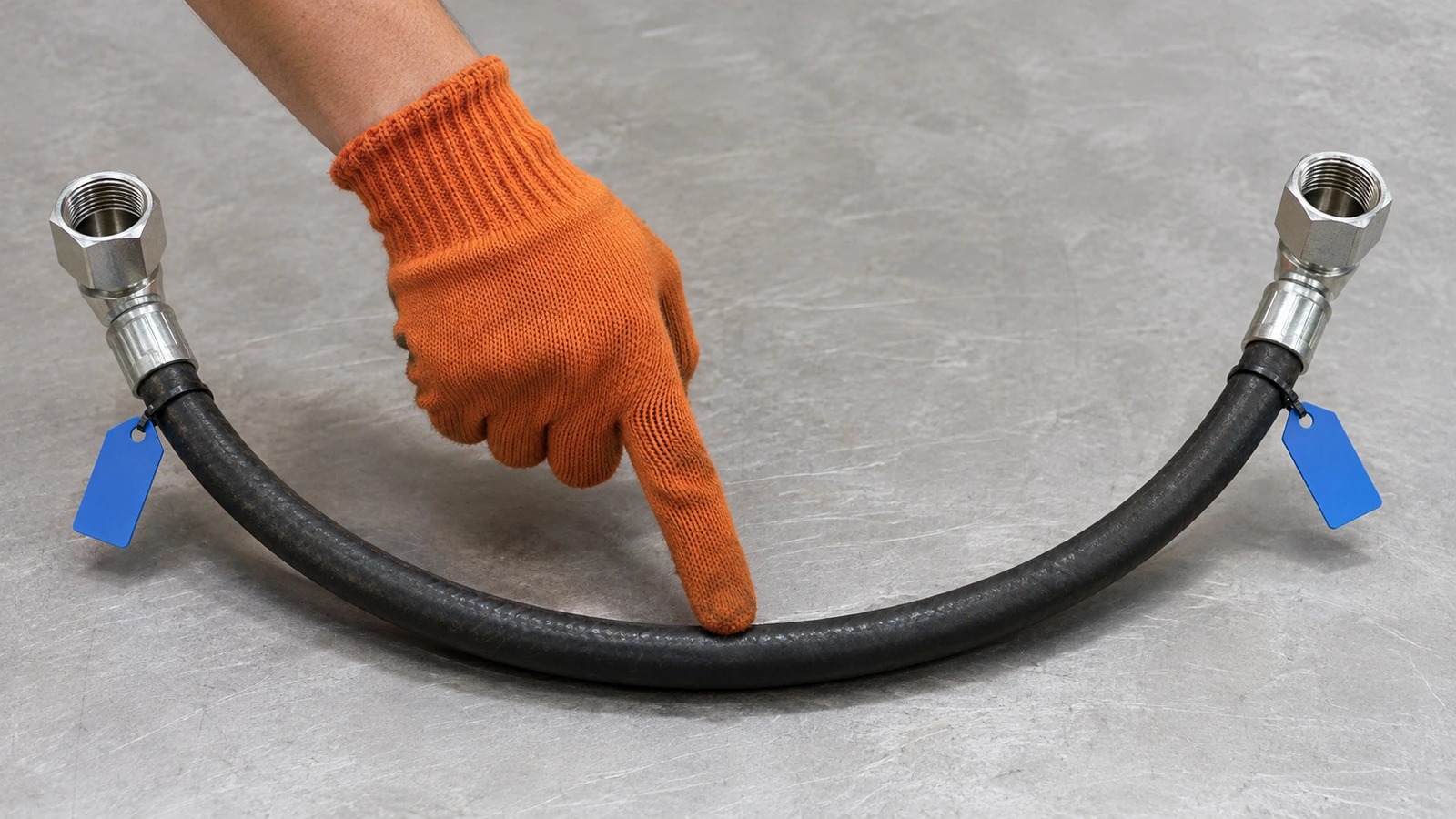
Pyroflex firesleeve is installed on cables and hoses and can expand over fittings or joints. Consider that installation path when deciding which identification references remain visible after the line is connected and the covering reaches its final position.
A buyer may use equipment-approved labels, connection references or a location-based line map. Select the method with the equipment owner and review the permitted label positions on the actual assembly. Include the viewing direction and access available during service.
Where identification requires a visible surface near a connection, coordinate that space with thermal coverage and connection access. Show both requirements on the drawing. A proposed identification method that requires a changed sleeve arrangement can enter a customised configuration discussion with Bonsing.
Relate sleeve identity to assembly identity
A range marking on a sleeve identifies the covering in its own product context. The circuit reference identifies the protected line and the equipment connections it serves. Recording both gives procurement a useful link between the covering request and its destination in the assembly.
A compact line map can use the following fields.
| Record field | Purpose in the service task |
|---|---|
| Line reference and two endpoints | Establish which circuit the technician is following |
| Hose or cable assembly reference | Relate the protected component to its drawing |
| Sleeve configuration and covered segment | Identify the covering applied to that component |
| Visible identification location | Help the technician find the reference in the compartment |
| Assembly revision | Keep replacement work aligned with the current arrangement |
Use only the batch or configuration information actually agreed for the supplied product. When a buyer needs particular marking or traceability documents, include those requirements in the enquiry for confirmation.
Check the service view
Pyroflex firesleeve addresses continuous heat, radiation and splashing around cables and hydraulic, gas and lubricant supply lines. Bring the relevant heat and splash conditions into the marking discussion, including any identification materials added by the equipment builder.
Evaluate the service view with the equipment isolated under the buyer’s procedure. Start from a known connection, find the intended line reference and trace it to the second endpoint. Check that neighboring lines, supports and covers leave the reference readable from the intended access position.
Record any ambiguity before the assembly enters routine service. After a line or covering is changed, update the line map and repeat the endpoint check. This connects the replacement operation to a specific circuit and assembly revision.
FAQ
Can a Pyroflex range marking identify a hydraulic circuit?
A sleeve marking identifies the covering in its product context. Use the equipment’s line reference and endpoints to establish the hydraulic circuit being serviced.
Where should line identification remain visible?
Choose locations that can be seen from the intended service position and coordinate them with thermal coverage, connection access and the equipment’s marking requirements.
What belongs in a covered-line map?
Include the line reference, endpoints, hose or cable assembly, sleeve configuration, covered segment, identification location and assembly revision.
Plan covered-line identification
Review the Pyroflex firesleeve. Share the line map, endpoint photographs, covered segments, service viewing direction and exposure conditions. Discuss covered-line identification with Bonsing, including any requested sleeve marking, documentation or customised configuration.
Post time: Nov-24-2026