
Pyroflex silicone-coated fiberglass firesleeve is a thick-walled woven glass-fiber sleeve coated with flame-retardant silicone rubber. It surrounds a hose or cable as a thermal covering. During maintenance, inspect the visible coating, textile wall and coverage ends as parts of that covering, then record the condition against the equipment owner’s inspection procedure.
Pyroflex firesleeve has a stated continuous high-temperature resistance of 260°C. That figure helps frame the sleeve’s thermal duty; it does not set an inspection interval or a replacement date. A useful inspection combines what can be seen with the actual exposure history and the condition of the protected line.
Map the accessible sleeve before inspection
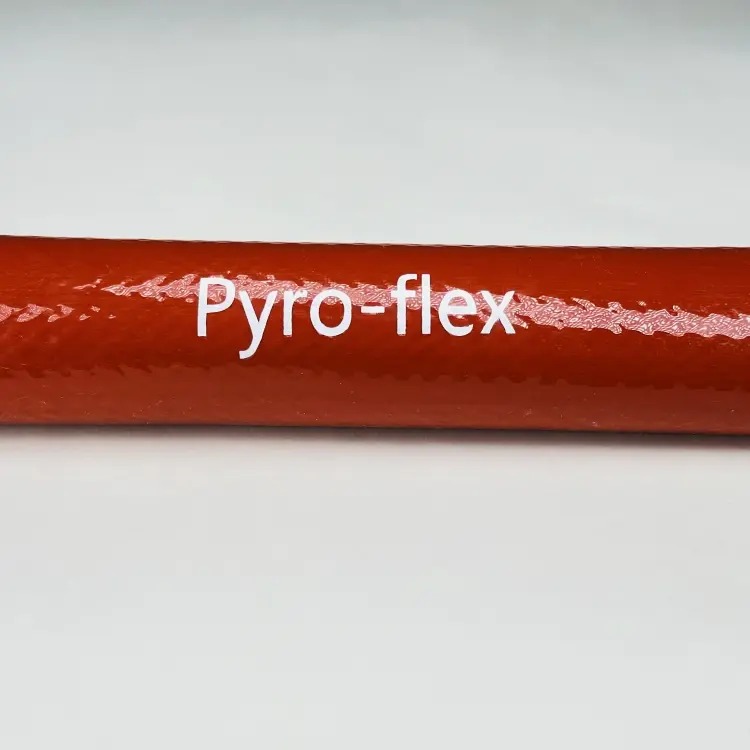
Identify the line, the heat source and the portion intended to be covered. Note clamps, bends and equipment that restrict the view. If the whole sleeve cannot be examined in place, record the inaccessible portion and follow the site’s procedure for gaining access rather than assuming it is in the same condition as the visible portion.
Pyroflex firesleeve is installed on cables and hoses and can expand over fittings or joints. The surrounding sleeve and the hose are separate items: record a change on the sleeve as a sleeve observation and a change on the hose as a hose observation. This distinction helps the maintenance team route each finding to the appropriate assessment.
Look at the coating and textile wall
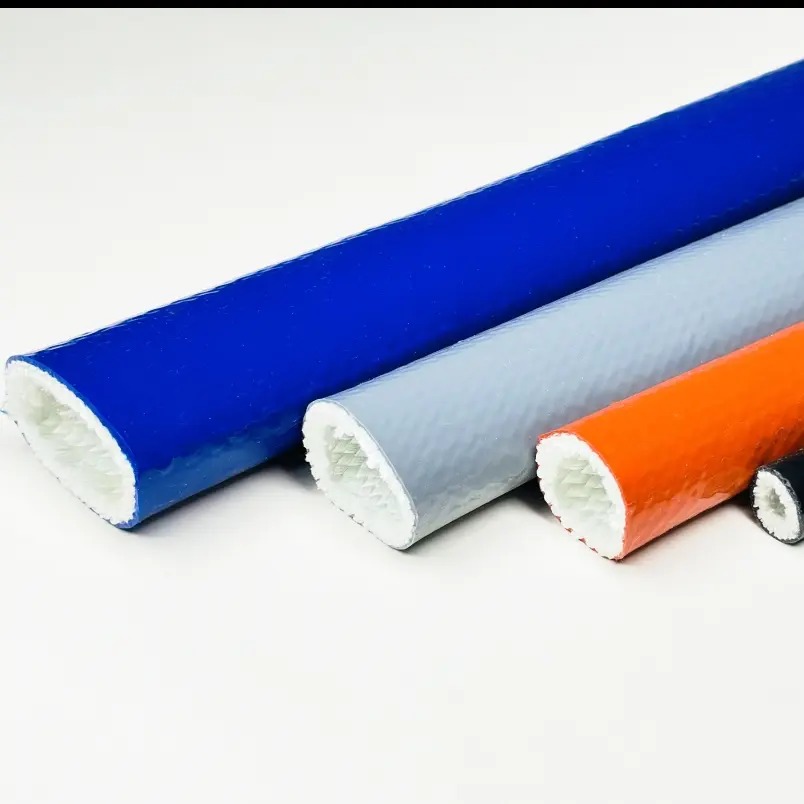
Start with a clean view of the outside surface. Record the location and extent of any visible cuts, missing material, severe deformation or other change against the equipment’s own acceptance criteria. Where the textile wall is visible, note its condition separately from the silicone surface. A photograph with a location reference can help compare a later inspection, but an image alone does not determine the sleeve’s remaining service life.
A coating and woven wall are different elements of the same covering. Recording which element has changed gives the reviewer a more useful description than a general note that the sleeve looks worn. Avoid pulling or disturbing a connected line merely to obtain a better view; use the site’s isolation and access procedures.
Check the coverage ends and surroundings
Follow the intended covered segment to each accessible end. Note whether the sleeve has shifted relative to the recorded coverage position, whether an end is damaged and whether a clamp or nearby component contacts the covering. Record the locations rather than assuming an exposed section is acceptable or unacceptable without the equipment’s criteria.
Changes near an end can affect what the maintenance team needs to review: the replacement may need the same coverage positions, a different access plan or a discussion about a customised configuration. Capture the line route and the available access as well as the visible sleeve condition.
Turn observations into a replacement discussion
Record the equipment and line identification, photographs, observed location, covered length, heat source, exposure duration and the site’s acceptance decision. Compare the current condition with the previous record when available. If the condition is outside the owner’s criteria or the original configuration no longer matches the route, discuss a replacement or customised arrangement using those observations and the line drawing.
FAQ
Does the 260°C figure tell me when to replace the sleeve?
No. It is the stated continuous high-temperature resistance of the mapped sleeve, not a service-life or inspection-interval calculation. Apply the equipment owner’s inspection criteria to the actual duty and condition.
What should an inspection record contain?
Record the line and location, sleeve condition, changes at accessible ends, heat exposure, photographs and the decision under the site’s procedure. Identify areas that could not be inspected.
Can a photograph establish that the hose underneath is sound?
A sleeve photograph documents the visible covering. The protected hose needs its own assessment under the applicable equipment procedure.
Request a Sleeve Condition Review
Review the Pyroflex firesleeve construction and share the protected line, covered length, heat exposure, observations and access constraints. Discuss a sleeve condition review with Bonsing, including a customised configuration if the route or duty has changed.
Post time: Nov-09-2026