
Pyroflex silicone-coated fiberglass firesleeve is a thick-walled woven glass-fiber sleeve coated with flame-retardant silicone rubber. It surrounds a hose or cable, bringing a thermal covering along the selected length of the line. A heat shield occupies a different position: it is placed between a heat source and an area or component that needs protection. The useful choice begins with where heat reaches the assembly.
Pyroflex firesleeve has a stated continuous high-temperature resistance of 260°C. That is a sleeve capability for the mapped product, not the temperature of the fluid or hose underneath. Define the source, exposure and acceptance requirement before deciding whether to evaluate a sleeve, a shield, or both together.
Compare the positions, not just the names
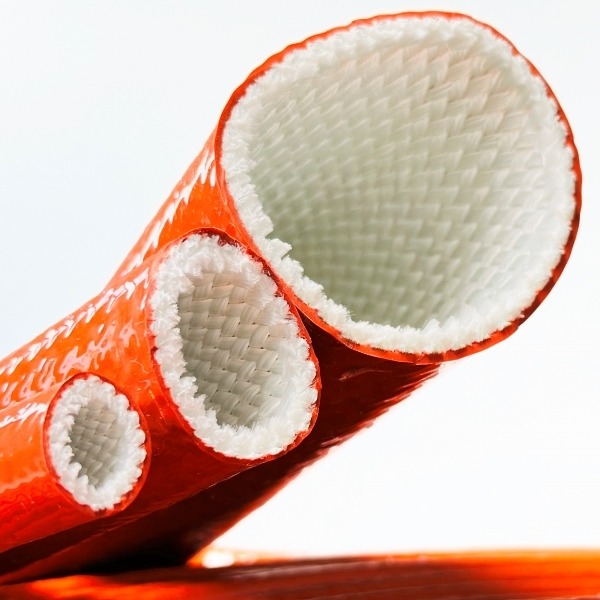
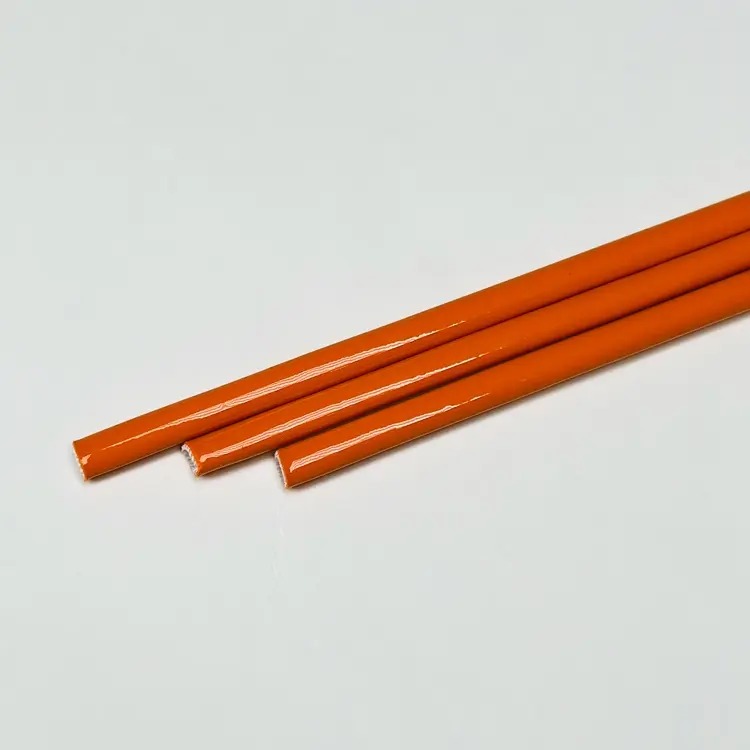
A sleeve travels with the part it surrounds. A shield is a separate barrier whose position and extent are determined by the equipment layout. A shield may address a selected line of exposure; the sleeve covers the specified length of hose or cable. Neither description alone establishes the resulting temperature at the hose.
Pyroflex firesleeve is installed on cables and hoses and can expand over fittings or joints. Its woven glass-fiber wall and silicone exterior make it a distinct covering to consider around the line. The buyer provides the hose, any shield, the mounting arrangement and the heat-source information; the sleeve is not the hose or the equipment shield.
Trace exposure beyond the shield outline
On an equipment drawing, mark the hot source, the hose route and the proposed shield. Identify which parts of the route are behind the barrier and which are exposed from another direction. Include bends, changes in position and possible splash directions in the review. This exercise defines what the assembly must address without assuming that one barrier covers every path.
| Layout question | What to compare |
|---|---|
| Is exposure concentrated on one side? | Source position and the shield’s actual extent |
| Does the hose move or branch? | Exposed positions through the intended duty |
| Where should the sleeve start and end? | The selected hose segment and access points |
| How will the result be accepted? | Hose limits, measurement location and test conditions |
Evaluate a combined layout when it answers the task
A shield and a sleeve can be evaluated together when the barrier addresses a source-facing area and the hose still needs a surrounding covering along its route. Compare the actual arrangement with the equipment team’s acceptance criteria. Avoid ranking the two by a temperature figure alone: a shield’s geometry and mounting, sleeve configuration, source and duty all affect the assembly question.
If the standard covering does not match the route or access conditions, share the changed geometry and duty to discuss a customised sleeve configuration or other solution. Treat clearance, hose integrity and the shield’s own design as separate engineering responsibilities.
Check the receiving component
Record the hose construction, its own limits, heat-source location, exposure duration and representative operating positions. Select measurement points that answer the equipment team’s question and evaluate the complete assembly under its acceptance procedure. A photograph or sleeve temperature figure cannot by itself establish the hose’s internal or surface temperature.
FAQ
Does a firesleeve automatically replace a heat shield?
No. They occupy different positions in the layout. Review the actual exposure paths and evaluate the selected assembly against the equipment’s acceptance criteria.
Does 260°C describe the fluid temperature inside the hose?
No. It is the stated continuous high-temperature resistance of the mapped Pyroflex sleeve. The hose and fluid have their own limits and operating conditions.
Can the sleeve and shield be evaluated together?
Yes. Identify the shield position, protected segment, source and duty, then assess the combined arrangement under the buyer’s procedure.
Discuss a Thermal Protection Layout
Review the Pyroflex firesleeve. Share the hose route, source location, proposed shield, exposure duration and acceptance conditions. Discuss a thermal protection layout with Bonsing, including a customised sleeve configuration when the route calls for it.
Post time: Nov-16-2026